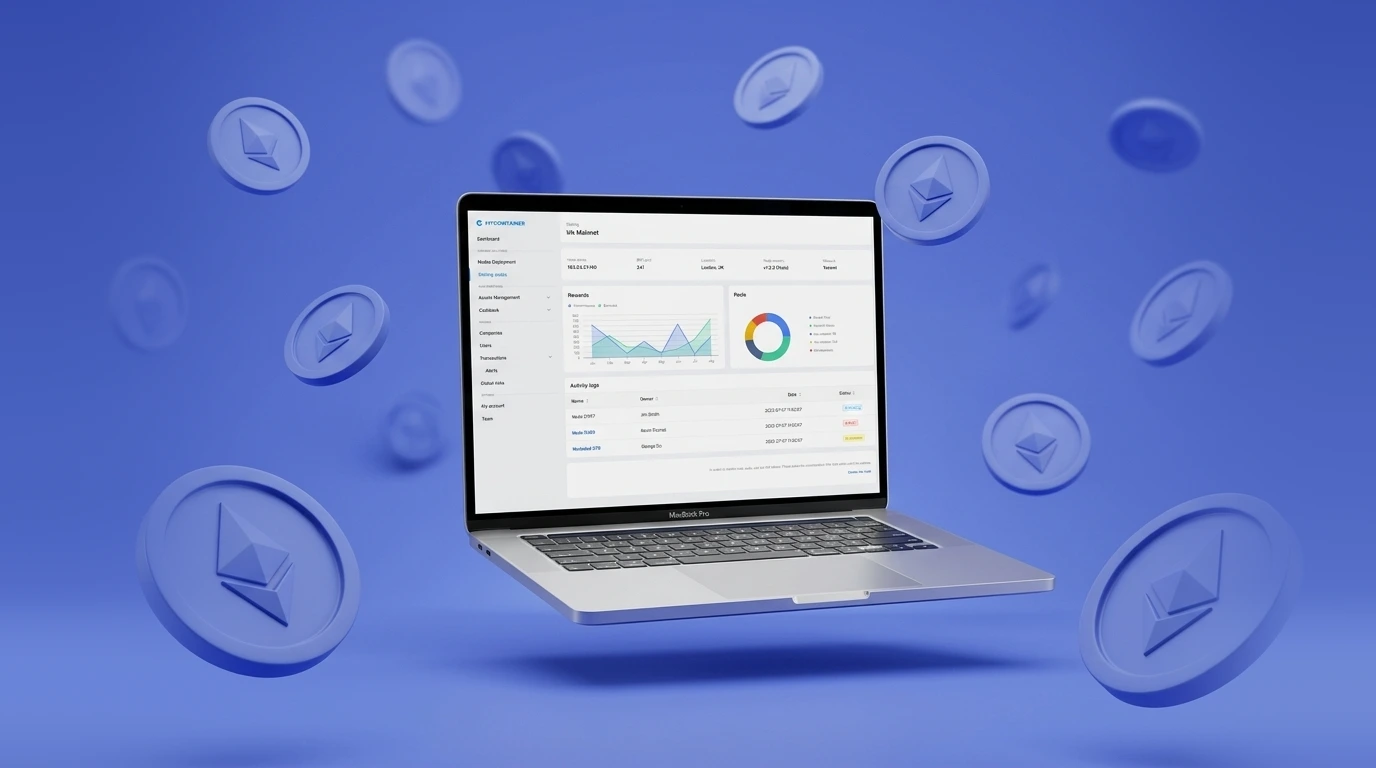
MyCointainer
To comply with my non-disclosure agreement, I have omitted and obfuscated confidential information in this case study. The information in this case study is my own and does not necessarily reflect the views of MyCointainer.com.
Company mission
The project goal is to enable easy access to various crypto reward mechanisms and accelerate global crypto adoption in the B2C and B2B segments.
My role
As a Senior Product Designer, I was in charge of two products: the Business panel (built for crypto businesses as clients) and the Back office (the admin panel for all our B2B and B2C services).
While focusing on business goals, I never lost sight of the user-centered experience. My main methodology was data-driven: we made strategic decisions based on data collection, analysis, and insights wherever possible.

Responsibilities
UX
- Researching & Synthesizing
- Ideating & Designing
UI
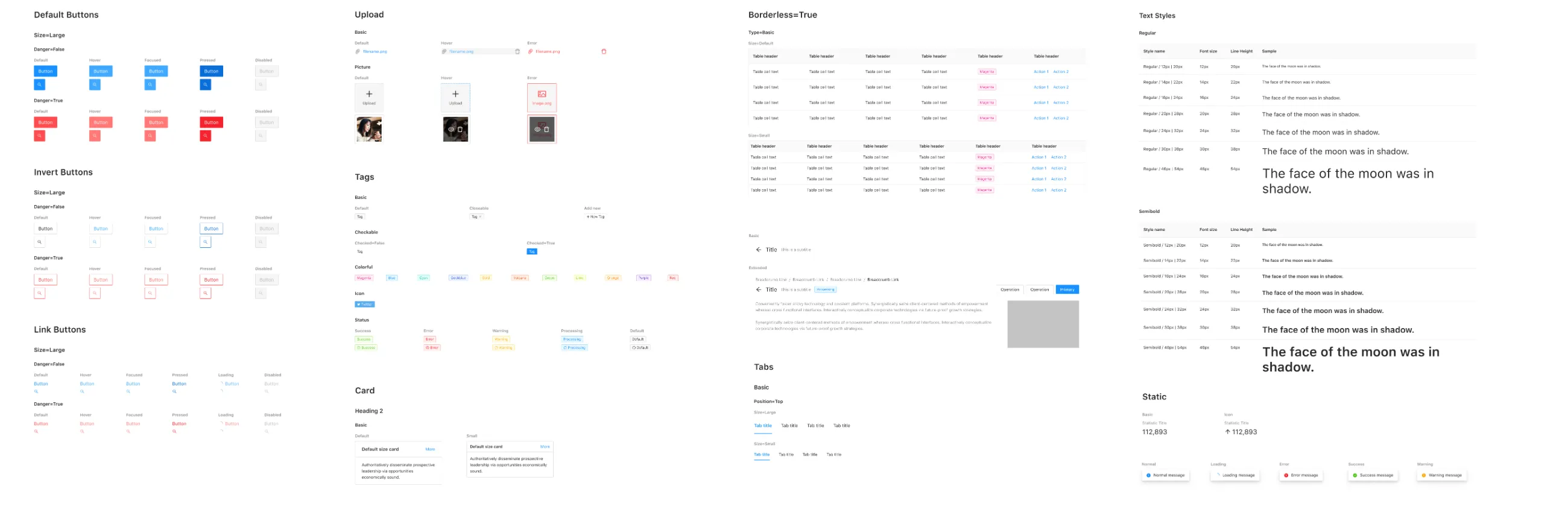
- Developing design system
- Bridging with development teams
Design Management
- Delivery flow
- Source management & Documentation
UX
I translated business concepts into user flows, wireframes, mockups, prototypes, and user interfaces. I facilitated product vision by researching, sketching, prototyping, and user-testing experiences.
I was also in charge of conducting studies, as well as collecting, researching, investigating, and evaluating user requirements.
At MyCointainer, we chose the Double Diamond model for our design process. We used and prioritized its key phases: Discover, Define, Ideate, Design, Implement, and Test.
During the discovery phase, we defined our audience and built proto-personas, which we later validated with user testing. This helped us understand users’ pain points, needs, goals, and day-to-day routines. Also, at this stage, we conducted market research to set product benchmarks.
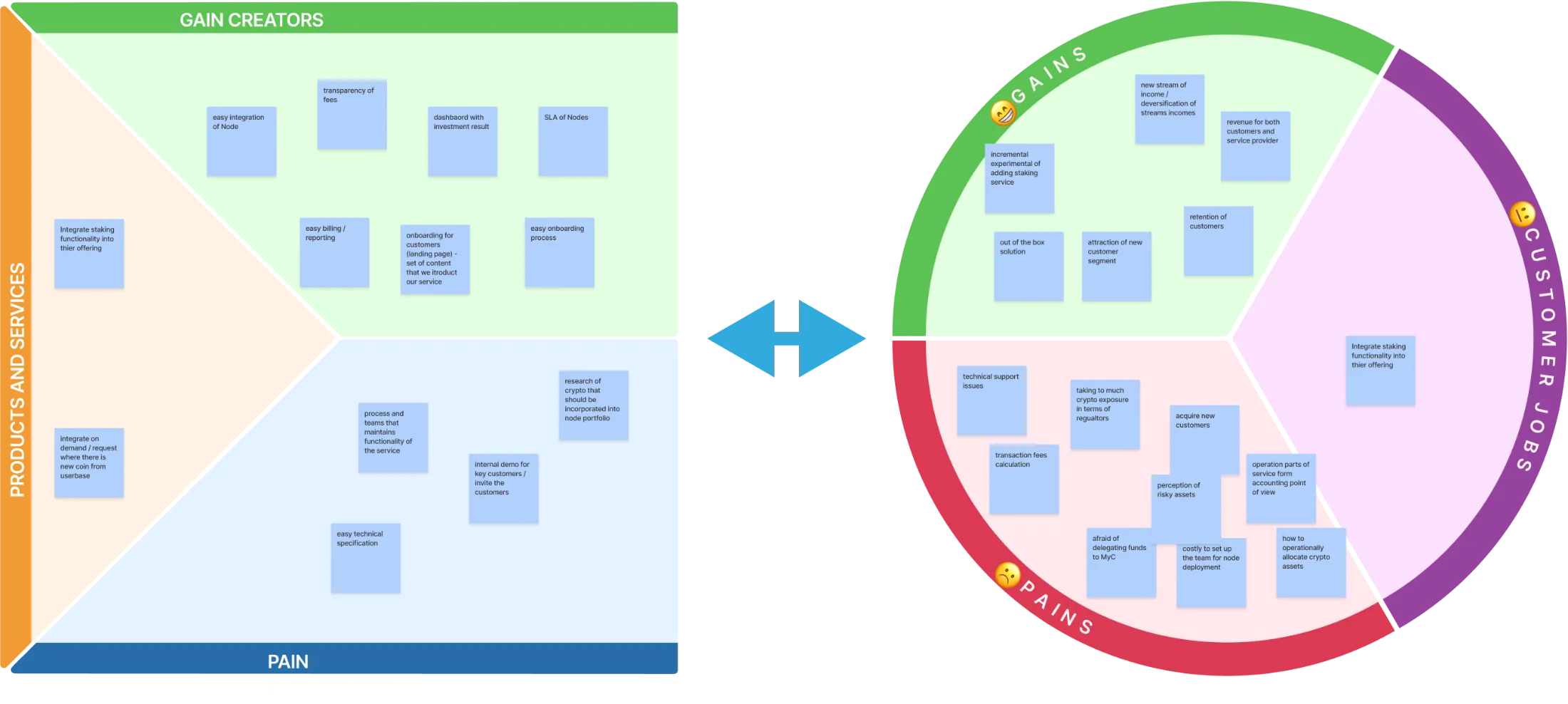
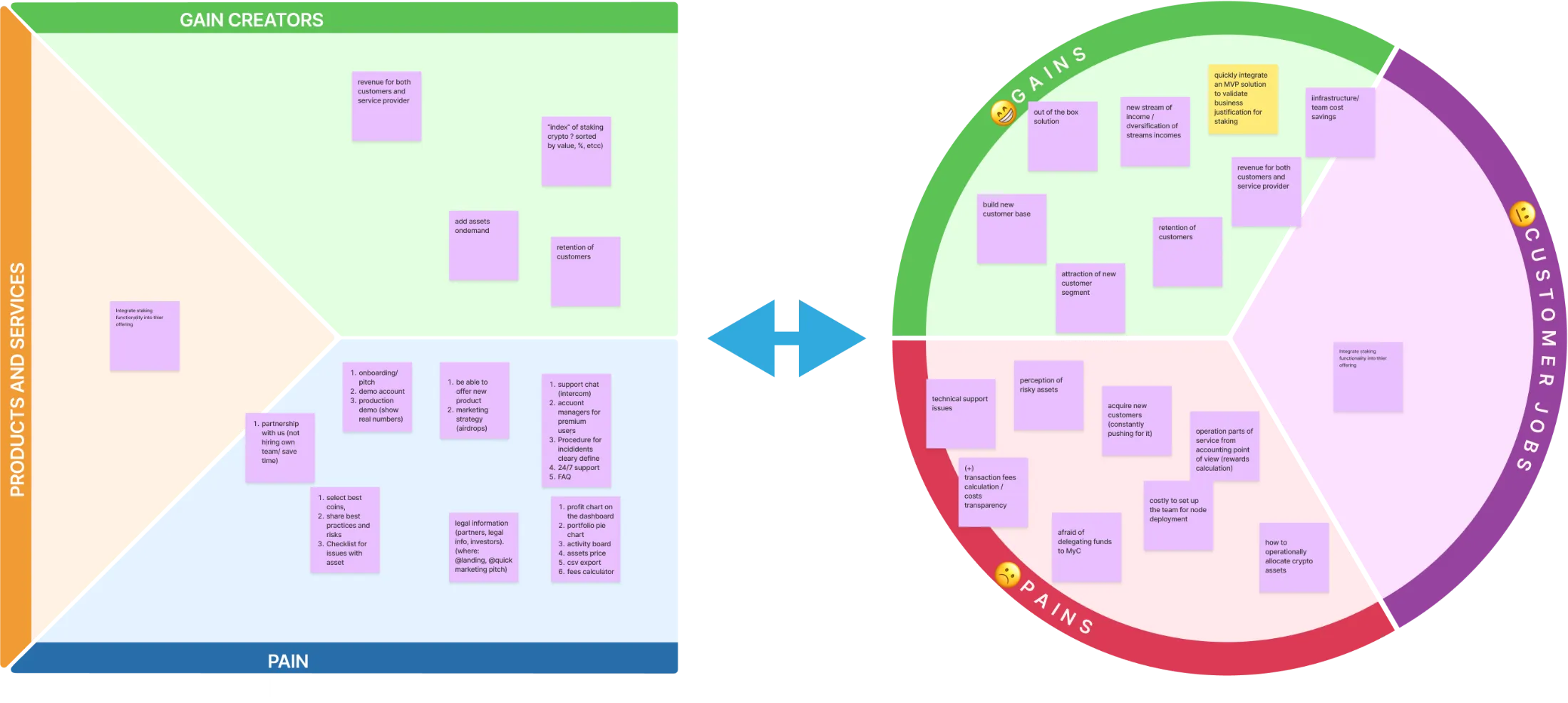
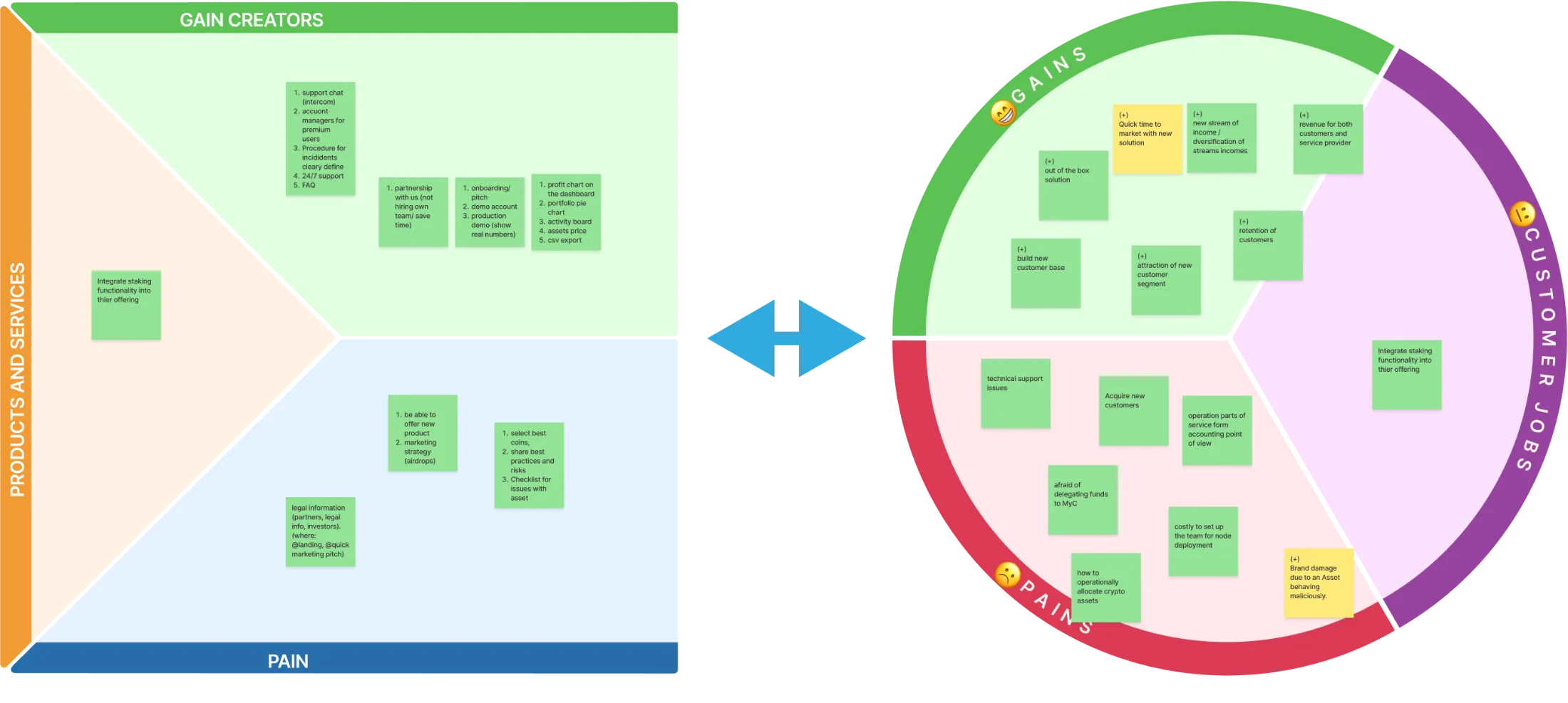
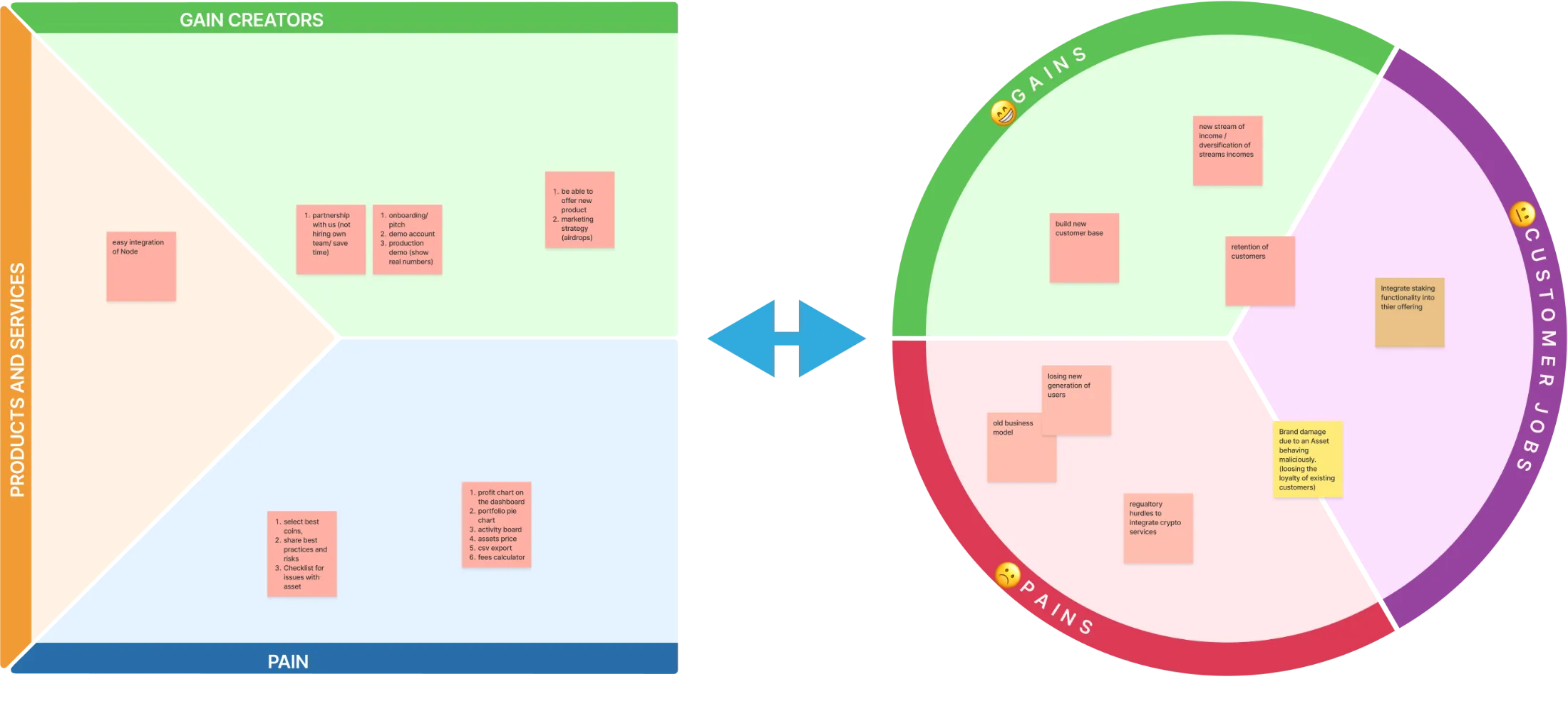
During the define phase, we compiled our research to identify patterns and innovation opportunities based on the data we gathered during discovery.
I sketched out wireframes, designed information architecture, and story-based user flows during the ideation phase.
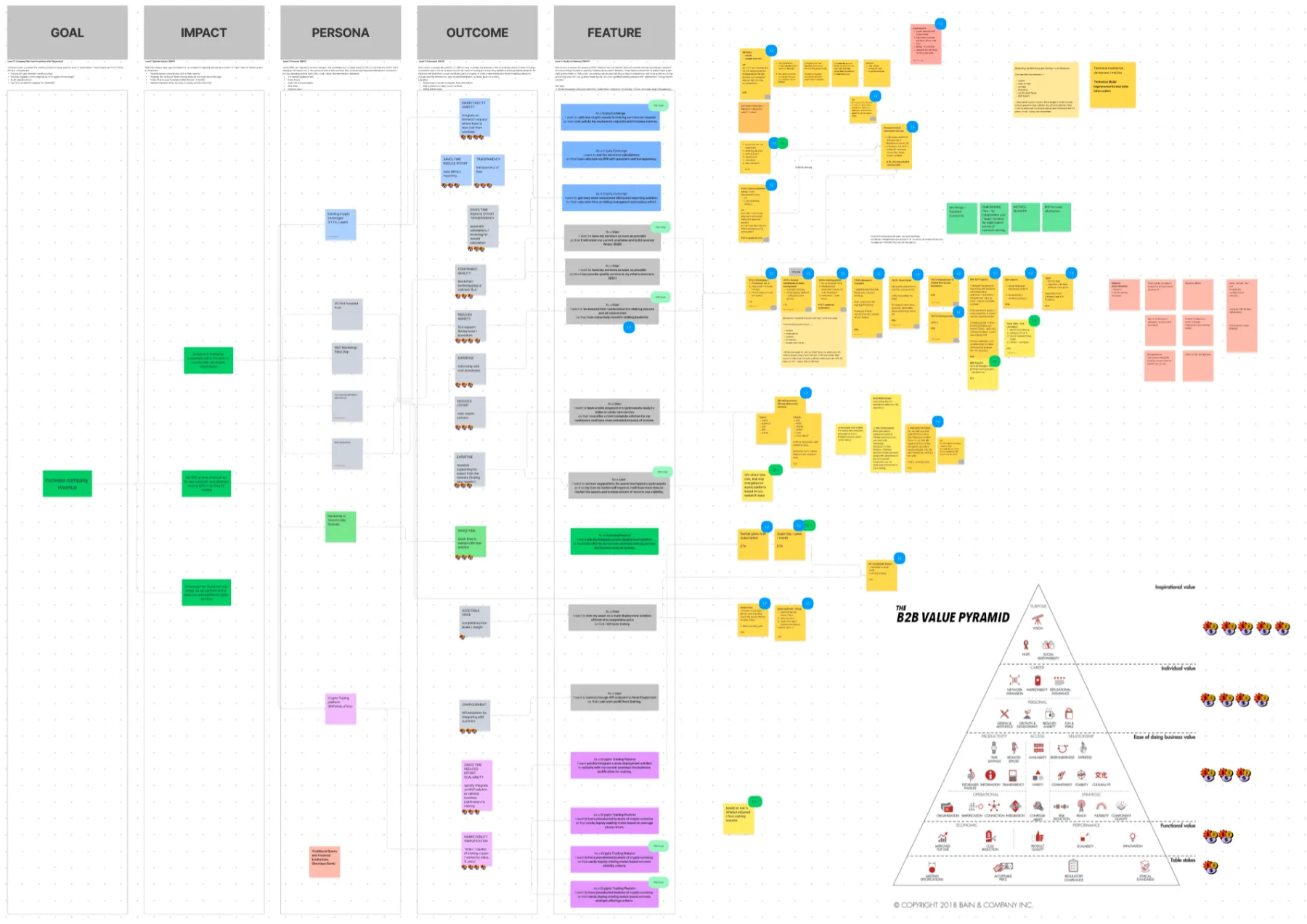
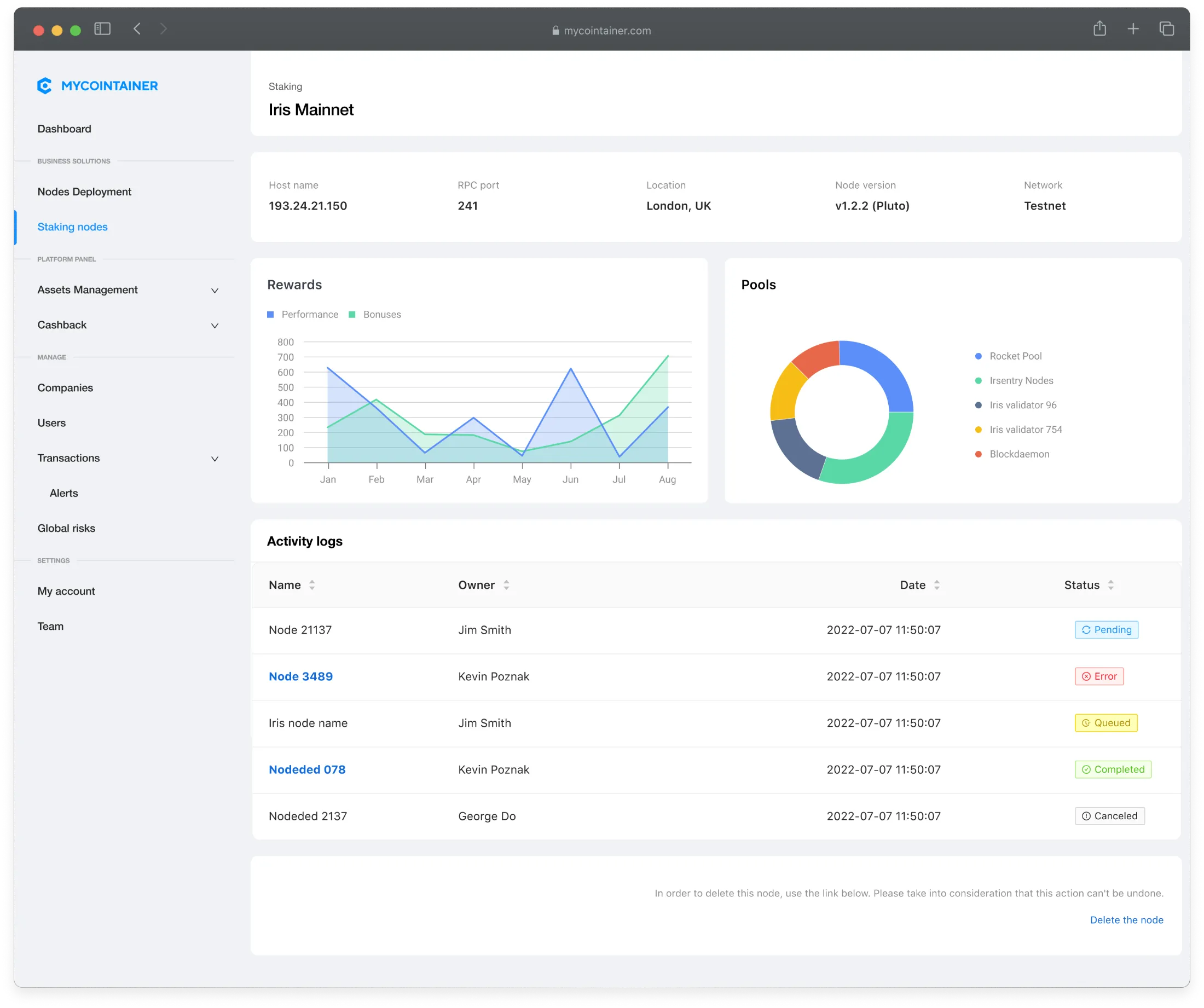
Then, I converted our low-fidelity designs to high-fidelity by defining a visual language during the design phase.
During the implementation phase, I collaborated with front-end developers to support the implementation and provided them with all the materials and information they needed.
It is not enough to design an aesthetically pleasing product, so during the testing phase, I conducted user tests and iterated rapidly using this flow.
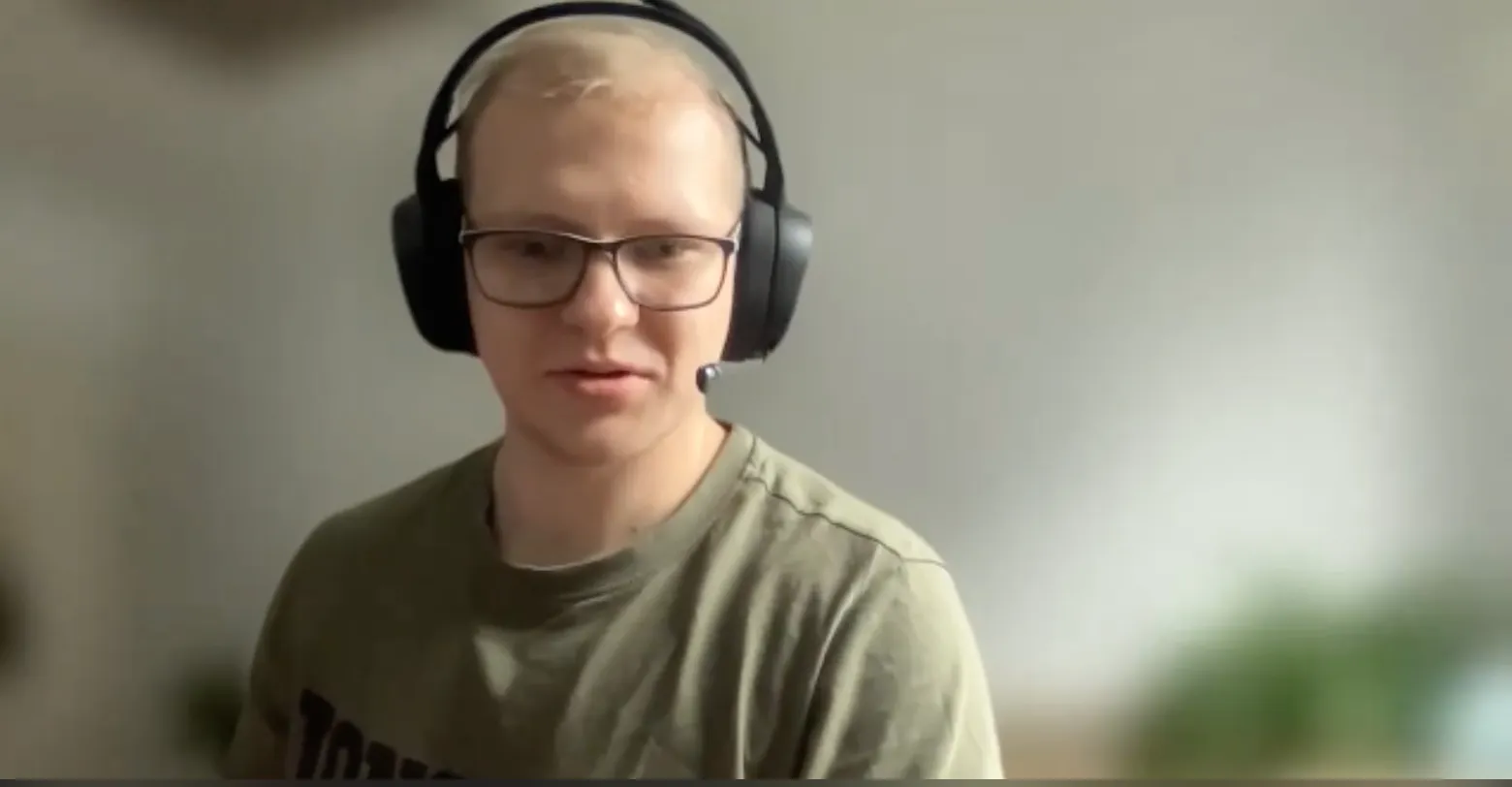
We started with several internal interviews to set an interviewing procedure and gather the first feedback from the team. It’s also a good mechanism to involve people outside the dev team in a discussion about the pros and cons of our product.
After that, we were ready to start full-fledged external interviews. After each interview, we also sent a short survey to each participant to validate the personas we’ve created before.

UI
We chose the Ant Design library as a base. We customized it to our needs and built a second component layer as a separate library, which we later connected to Storybook to establish a component-oriented approach.
Storybook served as a frontend workshop bridging the design and development departments.
Design management
I’ve added other delivery procedures, including a checklist for all new mockups.
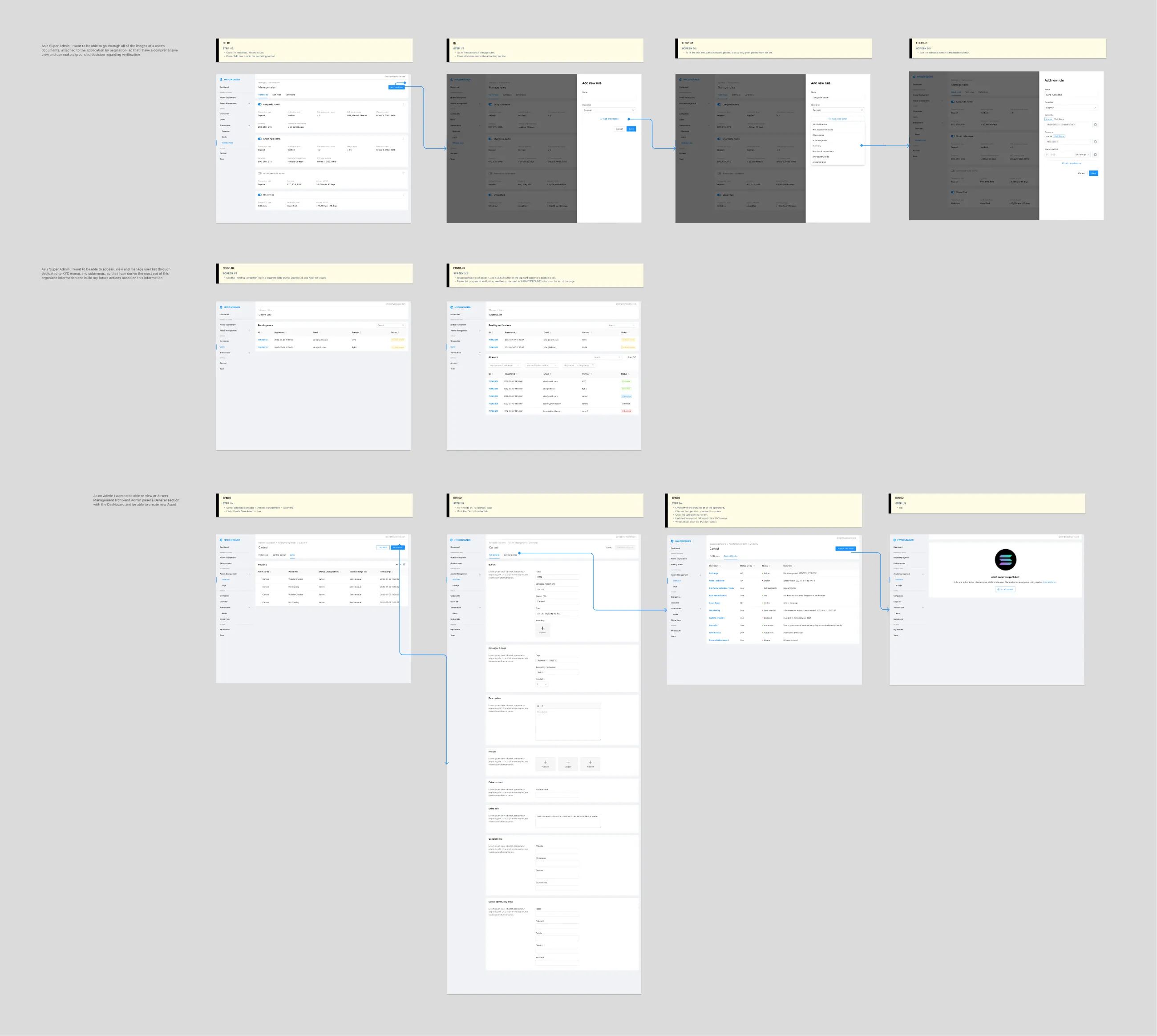
I’ve designed and provided a general Figma structure to organize mockups around user stories, keeping both the product and the process user-centered.
To set the delivery procedure, I’ve organized all stories in Figma with markers to monitor their statuses from the perspective of all stakeholders (UX, Business Analysis, and Product Owner).
I’ve covered all our procedures with documentation. To make it useful, it’s crucial to keep it structured and simple and include only the necessary information, without leftover artifacts.
Summary
This project took nearly a year to ideate, design, test, and implement. This case study doesn’t cover many features, including Staking Nodes, Nodes Deployment, Assets Management, KYC/AML, Wallet, and Invoicing.
There were hundreds and hundreds of screens and designs, innumerable iterations, many hours of user testing, and copious amounts of caffeine, which led to growth in the project’s KPIs.